A Vietnam visa is a mandatory entry permit issued by the Vietnamese immigration authorities that allows foreigners to enter, reside, work, or study legally in Vietnam. Depending on the purpose of entry—tourism, business, work, investment, visiting relatives, or marriage—Vietnam issues multiple visa types, each with specific symbols, validity, and application procedures.
This updated Vietnam visa guide provides a comprehensive overview of the Vietnam visa application process in 2026, including visa categories, required documents, new e-visa policies, and renewal procedures for foreigners staying in Vietnam.
What Is a Vietnam Visa?
A Vietnam visa is an official document permitting foreigners to enter and stay in Vietnam for a certain period. It is issued by the Vietnam Immigration Department or the Vietnamese Embassy/Consulate abroad.
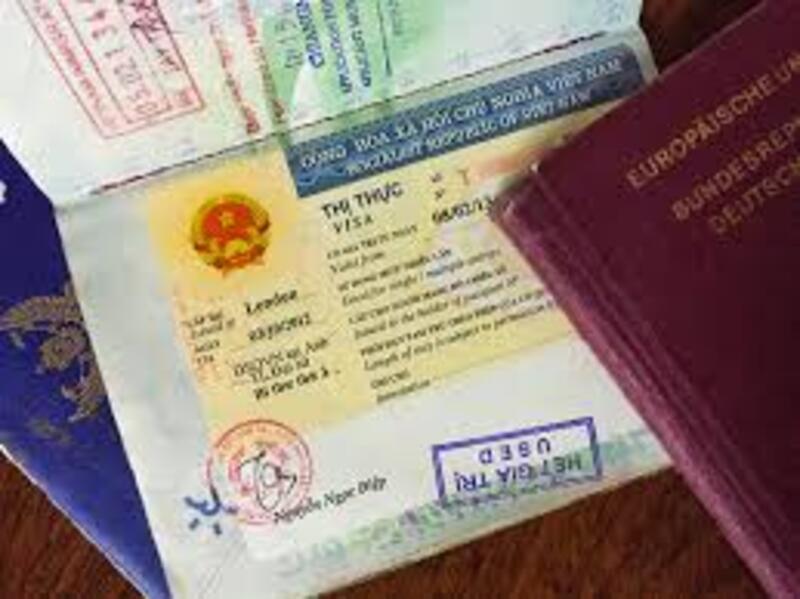
Foreigners must hold a valid visa unless they are exempt under bilateral or unilateral visa exemption agreements.
Visa vs. Temporary Residence Card (TRC)
| Criteria | Vietnam Visa | Temporary Residence Card (TRC) |
|---|---|---|
| Purpose | Short-term entry | Long-term residence |
| Validity | 1 month – 1 year (depending on type) | 1 – 5 years |
| Issued for | Tourists, short-term visitors, employees | Foreigners with valid visas, eligible for long-term stay |
| Issued by | Immigration Department / Embassy | Immigration Department |
| Documents required | Visa application form, sponsor letter, work permit (if applicable) | Work permit, marriage certificate, investment certificate, etc. |
Types of Vietnam Visas in 2026
Vietnamese visas are classified according to the purpose of entry. Each visa type is assigned a specific code and validity period. Below are the most common visa categories:
| Visa Type | Purpose of Entry | Eligible Applicants |
|---|---|---|
| DL | Tourism | Foreign travelers visiting Vietnam |
| DN1 / DN2 | Business / Short-term work | Entrepreneurs, business partners, experts, or consultants |
| LĐ1 / LĐ2 | Employment | Foreigners with valid work permits |
| ĐT1 – ĐT4 | Investment | Foreign investors or company shareholders |
| TT | Visiting relatives | Family members of foreigners or Vietnamese citizens |
| TTKH | Marriage | Foreigners married to Vietnamese citizens |
| DH | Study or research | International students, trainees, or researchers |
| NG / LS | Diplomatic / Consular | Diplomatic missions or international organizations |
Vietnam Visa Codes and Meanings
Each Vietnam visa carries a symbol identifying its category and eligibility:
- DL – Tourist visa
- DN1, DN2 – Business or working with Vietnamese enterprises
- LĐ1, LĐ2 – Work visa for foreign employees with work permits
- ĐT1 – ĐT4 – Investment visa for foreign investors
- TT – Family visit visa
- DH – Study and training visa
- NG, LS – Diplomatic and consular visa
Understanding the visa code helps applicants choose the correct type for their Vietnam visa application.
Forms of Vietnam Visa Issuance
Foreigners can apply for a Vietnam visa through several channels depending on their nationality, purpose, and sponsor:
| Visa Form | Description | Eligible Applicants |
|---|---|---|
| Sticker Visa | A traditional visa stamped in the passport by a Vietnamese Embassy or Consulate abroad | Applicants applying from overseas |
| E-Visa (Electronic Visa) | Apply online through the official portal https://evisa.gov.vn/ | Citizens of countries eligible for Vietnam e-visa |
| Visa on Arrival (VOA) | Issued at international airports with a pre-approved invitation letter | Applicants sponsored by Vietnamese companies or agencies |
| Visa Exemption | Allowed for citizens of countries under bilateral/unilateral visa waiver | Japan, South Korea, Germany, UK, France, and others |
| Visa Renewal or Extension | Extend stay duration or change visa purpose inside Vietnam | Foreigners already residing legally in Vietnam |
Vietnam Visa Application Process
Step 1: Identify the Visa Type
Determine your visa category based on your purpose of entry—tourism, business, work, investment, or family visit.
Choosing the wrong visa type can lead to application rejection or delays.
Common Purposes of Entry
| Purpose of Entry | Corresponding Visa Type | Visa Code |
|---|---|---|
| Tourism and sightseeing | Tourist visa | DL |
| Employment or labor contract | Work visa | LĐ1, LĐ2 |
| Investment or capital contribution | Investor visa | ĐT1, ĐT2, ĐT3, ĐT4 |
| Marriage with a Vietnamese citizen/
Visiting relatives |
Family visa | TT |
| Study or research | Study visa | DH |
| Business activities | Business visa | DN1, DN2 |
Important Notes
- Choosing the wrong visa type may result in your application being rejected or having to reapply from the beginning.
- Certain visa categories require additional documents such as a work permit, investment certificate, or proof of family relationship.
To apply for a Vietnam visa, it is essential to select the correct type based on your purpose of entry: tourism (DL), work (LĐ1, LĐ2), investment (ĐT1–ĐT4), family visit (TT), marriage (TT), study (DH), or business (DN1, DN2).
Step 2: Prepare Required Documents
After determining the appropriate visa type, applicants must prepare all required documents. The Vietnam visa application consists of two main parts: basic documents (applicable to all visa types) and additional documents (depending on the specific visa category).
2.1 Basic Documents (Applicable to All Visa Types)
| Required Documents | Requirements |
|---|---|
| Original Passport | Must be valid for at least 6 months from the date of entry and have at least one blank page for the visa stamp. |
| Passport Photo | Size 4×6 cm, white background, taken within the last 6 months. |
| Visa Application Form | Form NA1, NA2, or NA3 depending on the visa type. |
| Entry Approval Letter | Required for most visa types except e-visa. |
| Visa Fee | Payable according to the current regulations at the time of application. |
2.2 Additional Documents by Visa Type
| Visa Type | Additional Required Documents |
|---|---|
| Work Visa (LĐ1, LĐ2) | Work permit, labor contract, and business license of the sponsoring company. |
| Investor Visa (ĐT1–ĐT4) | Investment registration certificate, business registration license, and capital contribution confirmation. |
| Family Visit Visa (TT) | Birth certificate, proof of family relationship, and invitation or sponsorship letter. |
| Marriage Visa (TT) | Marriage certificate, certificate of single status, and identity documents of the Vietnamese spouse. |
| Tourist visa (DL) | Travel itinerary, round-trip flight tickets, hotel reservations, and proof of financial capability (if required). |
2.3 Foreign Documents
All foreign documents must be translated into Vietnamese and notarized.
They must also be consularly legalized before being used in Vietnam.
In summary, a complete Vietnam visa application includes an original passport, visa application form, photos, entry approval letter, and visa fee. Depending on the visa type, applicants may also need to provide a work permit, investment certificate, marriage registration, or family sponsorship letter.
Step 3: Submit the Application
Selecting the correct authority to submit a visa application is crucial and depends on the form of visa issuance and the applicant’s current place of residence.
3.1 Submit Directly in Vietnam – Immigration Department Offices
| Office | Address |
|---|---|
| Hanoi Office | 44–46 Tran Phu Street, Ba Dinh District, Hanoi |
| Ho Chi Minh City Office | 333–335–337 Nguyen Trai Street, District 1, Ho Chi Minh City |
| Da Nang Office | 7 Tran Quy Cap Street, Hai Chau District, Da Nang |
This option applies to applicants who have a sponsor, such as an organization, company, or relative, in Vietnam.
3.2 Submit at a Vietnamese Embassy or Consulate Abroad
This method applies to foreigners who wish to obtain a visa before entering Vietnam.
It is commonly used by applicants without a Vietnamese sponsor or those applying for tourist or short-term business visas.
3.3 Submit Online (E-Visa)
Applications can be made through the official Vietnam E-Visa Portal: https://evisa.gov.vn/
This option applies to citizens from countries eligible under Vietnam’s expanded e-visa program.
>> Read full Vietnam evisa guide here.
3.4 Apply for Visa on Arrival (VOA)
Applicable to applicants who already have an entry approval letter issued by a sponsoring organization or company in Vietnam.
The visa is obtained directly upon arrival at major international airports, including Noi Bai (Hanoi), Tan Son Nhat (Ho Chi Minh City), Da Nang, and Cam Ranh.
Vietnam visa applications can be submitted at the Immigration Department (Hanoi, Ho Chi Minh City, Da Nang), Vietnamese embassies or consulates abroad, via the online e-visa portal, or upon arrival at an airport with a valid entry approval letter.
Step 4: Submit the Application and Pay the Visa Fee
Once all documents are prepared, the applicant must submit the complete application and pay the visa fee at the receiving authority.
4.1 Application Submission Process
- Present all required original documents (and copies if requested).
- Verify all information at the submission counter.
- Receive an acknowledgment receipt and a scheduled date for result collection.
4.2 Visa Fee Payment
Visa fees depend on the visa type, validity, and issuance method. The fee can be paid in cash or by bank transfer at the submission office.
Notes:
- Visa fees are subject to change annually based on updated regulations.
- Express or urgent visa services may include an additional processing fee.
When applying for a Vietnam visa, applicants must submit complete documentation and pay the required fee. Fees typically range from USD 25 to USD 140, depending on the visa type and validity period.
Step 5: Receive Visa Result
Once the complete application and visa fee have been submitted, the authorities will review and process the visa within the prescribed timeframe.
5.1 Standard Processing Time
| Type of Visa Processing | Processing Duration |
|---|---|
| Regular visa | 3–5 working days |
| Electronic visa (E-visa) | Approximately 3 working days |
| Work, investment, or family visit visa | 5–7 working days (depending on the visa category) |
5.2 Urgent Visa Processing
For urgent or expedited visa services, processing may take 1–2 working days, and in some cases can be completed within 4–8 hours.
This service applies to applicants who need to enter Vietnam urgently and have legitimate reasons with complete documentation.
5.3 Methods of Receiving Visa Results
- In person: Collect the result directly at the submission office (Immigration Department, Embassy, or Consulate).
- By email: For electronic visas (E-visa).
- At the airport: Receive a stamped visa upon arrival for applicants with a valid entry approval letter (Visa on Arrival).
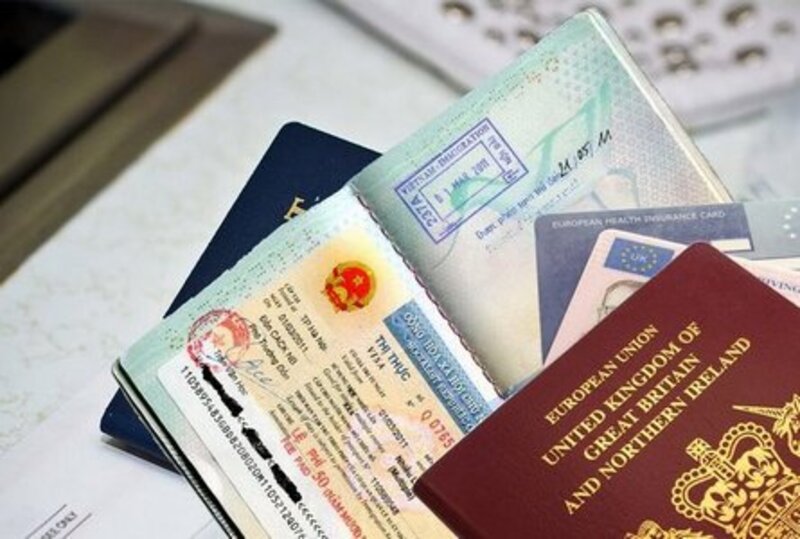
Typically, visa processing in Vietnam takes 3–5 working days for standard applications, 1–2 days for urgent processing, and 3 days for e-visas. Results can be received either in person or electronically via email.
Step 6: Important Notes During the Visa Application Process
Preparing the Vietnam visa application requires absolute accuracy to avoid rejection or processing delays. The following key points help improve the approval rate on the first attempt:
6.1 Verify All Personal Information
Ensure that personal details—such as full name, date of birth, and nationality—are consistent across all documents.
All documents must remain valid at the time of submission, and the passport must have at least six months of remaining validity.
6.2 Prepare Complete and Correct Documents
Each visa category has its own specific supporting documents.
Missing or incorrect paperwork will result in additional requests for resubmission, causing unnecessary delays.
6.3 Translation, Notarization, and Legalization
All foreign documents must be translated into Vietnamese and notarized.
Documents must also undergo consular legalization in accordance with Vietnamese law before submission.
6.4 Ideal Application Timeline
It is recommended to submit the visa application 15–30 days before the intended date of entry.
For work or investment visas, applicants should begin preparation 1–2 months in advance.
6.5 When to Use Professional Visa Services
Applicants should consider using professional visa assistance if:
- The case is complex or lacks prior experience with visa applications.
- The entry date is urgent and requires expedited processing.
-
The applicant has previously been denied a visa and needs expert guidance for reapplication.
Types of Vietnam Visas Eligible for Extension and Extension Procedures
Vietnam allows the extension of several visa types, enabling foreigners to continue their legal stay without having to leave the country. However, not all visas are eligible for extension, and each visa type has specific renewal procedures.
1. Types of Vietnam Visas Eligible for Extension
| Visa Type | Eligibility for Extension | Maximum Extension Period |
|---|---|---|
| Tourist Visa (DL) | Yes | Up to 3 months per extension |
| Work Visa (LĐ1, LĐ2) | Yes | Based on the validity of the work permit |
| Investment Visa (ĐT1–ĐT4) | Yes | Based on the validity of the investment certificate |
| Family Visit Visa (TT) | Yes | Depending on family relationship and sponsorship documents |
| Business Visa (DN1, DN2) | Yes | Based on the company’s business license or new sponsorship letter |
| E-Visa (Electronic Visa) | No | Cannot be extended online; a new visa must be obtained upon expiry |
2. Procedures for Extending a Vietnam Visa
Step 1: Prepare the Required Documents
- Original passport with valid remaining duration.
- Visa extension application form (Form NA5).
- Official letter or guarantee from the sponsoring organization or individual.
- Valid work permit (for work visa extensions).
- Documents proving the lawful reason for extension (such as marriage, investment, or family visit).
- Proof of legal residence in Vietnam.
Step 2: Submit the Application
Applications are submitted to the Immigration Department in Hanoi, Ho Chi Minh City, or Da Nang.
Applicants may authorize a licensed visa service provider to handle the process on their behalf.
Step 3: Processing Time
- Standard processing time: 5–7 working days.
- Complex cases may take longer depending on document verification.
The types of Vietnam visas that can be extended include tourist, work, investment, family visit, marriage, and business visas. The required documents generally include the original passport, Form NA5, sponsorship letter, and work permit (if applicable).
New Visa Policies in 2026
Vietnam’s immigration regulations continue to evolve to promote international travel and investment. Key updates include:
- Global E-Visa Expansion – E-visa now available to citizens from over 157 countries.
- Extended Tourist Visa Duration – Stay increased from 30 to 90 days, with multiple entries allowed.
- Online Visa Renewal – Some visa categories can now be renewed online via the National Public Service Portal.
- Expanded Visa Exemptions – Vietnam maintains and expands short-term visa-free entry for countries such as Japan, Korea, Russia, France, Germany, UK, and Italy.
- Stricter Work Visa Verification – Enhanced scrutiny for labor and investment visas to prevent misuse and ensure compliance.
Professional Vietnam Visa Services
Obtaining a Vietnam visa can be complex, especially for long-term stays, work permits, or investment cases. Using a professional visa consulting service ensures legal compliance and faster processing.
Benefits of Using 68 SOLUTIONS Visa Service:
- Expert consultation on the correct visa type
- Full assistance with document preparation and legalization
- Representation at the Immigration Department
- Fast-track and urgent visa processing (as quick as 1–2 days)
- Support for rejected or complex cases
Contact 68SOLUTIONS today for expert assistance and up-to-date immigration support via hotline: (+84) 982 500 802
Follow Fanpage 68Solutions for more updates!
___________________________________
68Solutions – Legal & Travel
Consulting & Partnerships Department
Address: 6th Floor, 67 Yen Lang Street, Trung Liet Ward, Dong Da District, Hanoi, 100000
Fanpage: https://www.facebook.com/68solutions/
Hotline/ WhatsApp/ Zalo: (+84) 982 500 802
Email: [email protected]
Website: www.68solutions.vn